Signs Your AC System Needs Replacing: A Conroe Homeowner's Guide
Knowing the difference between a system that needs a repair and one that is ready to retire can save you thousands of dollars and a lot of miserable summer days.
August 26, 2026 · 4 min read
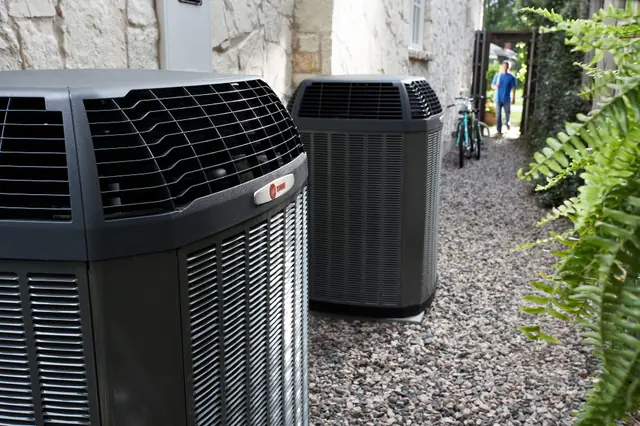
The question every Conroe homeowner dreads comes on the hottest week of August: is this another repair, or is it finally time to replace the whole system? It is not always obvious, and the answer matters financially. A repair on a system that is already failing will not keep you comfortable for long, while replacing a system that had years of good service left wastes real money. Knowing what to look for helps you have a better conversation with your technician and make a decision you feel confident about.
Age Is the Starting Point
In the South Texas heat and humidity, central air conditioning systems typically last 12 to 15 years with regular maintenance. Systems that run harder than average because of large square footage, poor insulation, or deferred maintenance may reach the end of their useful life closer to 10 years. If your system is approaching or past that window and you are facing a significant repair, the economics usually favor replacement. A new high-efficiency system not only eliminates the repair cost but reduces your monthly electricity bill, often meaningfully.
A useful rule of thumb for repair-versus-replace decisions: multiply the age of the system in years by the cost of the repair. If that number exceeds $5,000, replacement typically makes more financial sense. This is not a firm rule, but it is a reliable starting framework when you are standing in front of a technician getting a repair quote.
Warning Signs to Watch For
- Rising electricity bills without a change in usage patterns. An aging or failing system works harder to move the same amount of cool air, and that extra effort shows up directly on your electric bill.
- Uneven cooling throughout the house. If some rooms are comfortable while others stay warm regardless of the thermostat setting, the system may no longer have the capacity to condition the full square footage, or the ductwork has developed significant leaks.
- Frequent repairs in a short period. One repair in a year is normal. Two or three repairs in the same season, or repairs that follow each other within a few months, suggest the system is degrading across multiple components at once.
- Refrigerant leaks requiring repeated recharging. Refrigerant does not get consumed the way fuel does. If a system needs refrigerant added more than once, there is a leak. On older systems that use R-22 (Freon), which is no longer manufactured, repair costs are substantially higher because the refrigerant is scarce.
- Loud or unusual noises during operation. Banging, grinding, or screeching sounds indicate mechanical problems with the compressor or blower that are typically expensive to fix and often signal a system near the end of its life.
- The system runs constantly without reaching the set temperature. A system that runs without cycling off on a day that is not unusually hot has lost the capacity to adequately cool your home.
What a Replacement Actually Gets You
Modern high-efficiency systems are significantly more capable than equipment from 10 to 15 years ago. Current SEER2 ratings for quality equipment are substantially higher than systems sold a decade ago, which translates directly into lower monthly operating costs. For a home in Montgomery County that runs air conditioning eight or nine months a year, the savings add up quickly.
Beyond efficiency, newer systems are better at managing humidity. South Texas humidity is the component of summer discomfort that most people underestimate. A properly sized, modern system dehumidifies more effectively than an old system running in a degraded state, which means your home actually feels cooler at the same thermostat setting.
The Sizing and Ductwork Conversation
When TCS installed new Trane units for one Conroe customer, installation lead Kenney reviewed the existing ductwork and proactively upsized one intake duct from 16 inches to 18 inches to improve airflow, without being asked. That kind of attention matters because an oversized or undersized system, or a system paired with restrictive ductwork, will underperform no matter how high-end the equipment is. Correct sizing for your specific home's square footage, insulation level, ceiling height, and window orientation is the foundation a good installation stands on.
If you are considering a replacement, ask for a Manual J load calculation before agreeing to any equipment size. This is the industry-standard method for calculating the correct system capacity for a specific home. A company that recommends a size without performing or referencing a load calculation is guessing, and a guess in either direction costs you money.
Getting a Second Opinion
TCS offers free, no-obligation second opinions and bids on HVAC work. If you have been told your system needs replacing and you are uncertain, that is exactly the right time to bring in another set of eyes. A well-maintained system that is legitimately near the end of its life will show consistent signs across multiple inspections. If two technicians independently reach the same conclusion, you can make your decision with real confidence rather than guessing.
TCS A/C & Heating — (936) 228-0063
Call (936) 228-0063More articles
Why 24/7 HVAC Service Matters During a Texas Summer
In a Texas summer, a broken air conditioner is not an inconvenience. It is a health issue, and the clock starts the moment the cold air stops.
What Trane Comfort Specialist Certification Means for Your Home
The Trane Comfort Specialist badge is not just branding. It represents training requirements, installation standards, and an ongoing commitment to customer satisfaction that Trane monitors directly.