Preparing Your HVAC System for Montgomery County's Weather Extremes
Montgomery County's climate asks more of your HVAC system than almost anywhere else in the country: brutal summers followed by unpredictable winters that occasionally turn severe.
August 26, 2026 · 4 min read
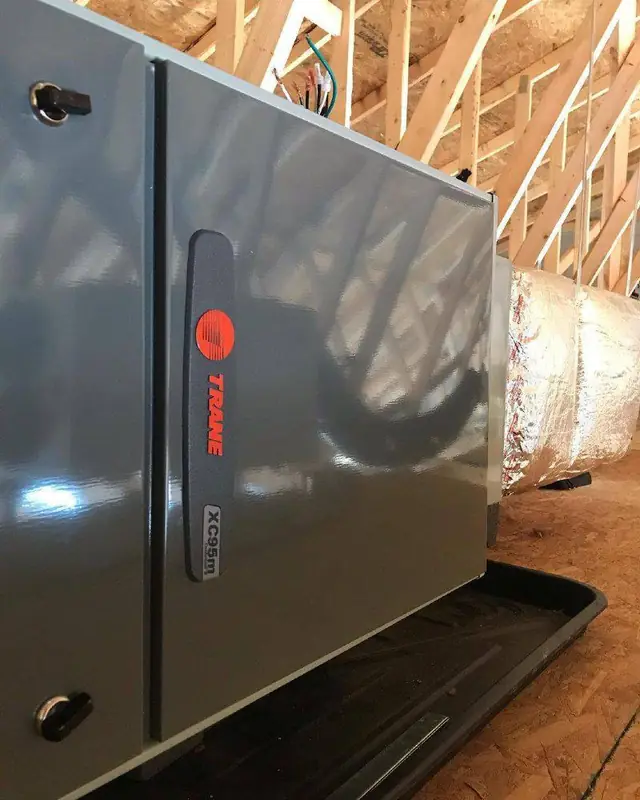
Conroe, Texas sits in a climate zone that combines the worst of two extremes: summer heat and humidity that rivals the Gulf Coast, and winters that are mostly mild but can drop into serious freezing temperatures without much warning. The February 2021 winter storm that left millions of Texans without power and heat for days is the most dramatic example, but hard freezes that damage outdoor HVAC equipment and heating systems happen in Montgomery County on a near-annual basis. Preparing your system for both seasons is not optional maintenance. It is what keeps your equipment functioning when you need it most.
Spring Preparation: Getting Ready for the Cooling Season
The best time to have your air conditioning system inspected and serviced is April or early May, before the serious heat arrives. At that point, any issues identified can be resolved on a normal service timeline rather than during the peak demand period of July and August when HVAC companies are fully booked and response times extend. A spring checkup for a central air system should cover the following:
- Inspect and clean the evaporator coil inside the air handler. Dust and debris accumulate over the winter and restrict airflow, reducing cooling efficiency.
- Inspect and clean the condenser coil on the outdoor unit. Cottonwood, pollen, and general debris pack into the coil fins throughout the year and block heat rejection.
- Check refrigerant levels. Low refrigerant is always a sign of a leak, not consumption. The leak should be found and repaired, not just topped off.
- Test the capacitors and contactor. Capacitors are among the most common failure points in Texas HVAC systems and can be tested accurately with a capacitor meter before failure occurs.
- Check the condensate drain line. Clear any partial blockage before the humid season begins, when the system produces substantial condensate daily.
- Confirm the thermostat is calibrated and operating correctly.
- Inspect the ductwork for obvious leaks or disconnections, particularly in unconditioned attic spaces where joints can shift with temperature changes.
Fall Preparation: Getting Ready for the Heating Season
Fall in Montgomery County arrives late by most measures, but preparing your heating system by October gives you time to address any issues before the first cold snap. Texas winters are unpredictable, and the pattern in recent years has included warm periods punctuated by sharp temperature drops that can arrive within 24 hours.
- Test your heating system before you need it. Turn it on in September or October when it is still warm enough that a problem is an inconvenience rather than an emergency.
- Replace or inspect the heat exchanger on gas furnaces. A cracked heat exchanger can allow combustion gases to enter the living space, which is a safety issue, not just an efficiency one.
- Check igniter and gas valve function on furnaces. These components fail more often than other parts and are straightforward to replace before failure.
- Inspect the outdoor unit for freeze protection. Modern heat pumps have defrost cycles, but verifying the defrost control is functioning before winter prevents a common failure mode.
- Clear vegetation and debris from around the outdoor unit. A 24-inch clearance on all sides is the standard minimum.
- Check your emergency heat function if you have a heat pump. Knowing it works before a hard freeze is considerably better than finding out during one.
Protecting Your System During a Hard Freeze
When Montgomery County experiences freezing temperatures, particularly sustained freezes below 25 degrees Fahrenheit, heat pumps can struggle to extract heat from outdoor air efficiently. Most heat pump systems switch to auxiliary or emergency heat in these conditions, which is typically electric resistance heat. This is normal operation but expensive to run continuously. If your system is running exclusively on emergency heat for more than a day or two, the outdoor unit may have developed a problem that prevents it from defrosting normally.
Do not attempt to chip ice off a frozen outdoor unit or pour hot water over it. Allow the defrost cycle to run, or if the unit is clearly encased in ice and not recovering, call a technician. Mechanical damage from improper defrost attempts is not covered by most equipment warranties.
Air Quality Throughout the Seasons
Montgomery County's high humidity and the presence of pine pollen in early spring, followed by ragweed and mold spore counts in fall, makes air filtration a year-round concern. Changing your air filter on a regular schedule, typically every 30 to 90 days depending on filter type and household conditions, is the single highest-impact maintenance task a homeowner can perform themselves. A clogged filter restricts airflow across the coil, which can cause icing in cooling mode and overheating in heating mode, and it also degrades indoor air quality directly.
Trane offers whole-home air filtration systems that work in conjunction with the central HVAC system to reduce airborne particulates, pollen, and other allergens throughout the home. For households where allergies are a concern, or for anyone who wants to maintain better indoor air quality during the high-pollen seasons that Montgomery County produces in spring and fall, these systems are worth discussing with your HVAC technician at the next service visit.
TCS A/C & Heating — (936) 228-0063
Call (936) 228-0063More articles
Why 24/7 HVAC Service Matters During a Texas Summer
In a Texas summer, a broken air conditioner is not an inconvenience. It is a health issue, and the clock starts the moment the cold air stops.
Signs Your AC System Needs Replacing: A Conroe Homeowner's Guide
Knowing the difference between a system that needs a repair and one that is ready to retire can save you thousands of dollars and a lot of miserable summer days.